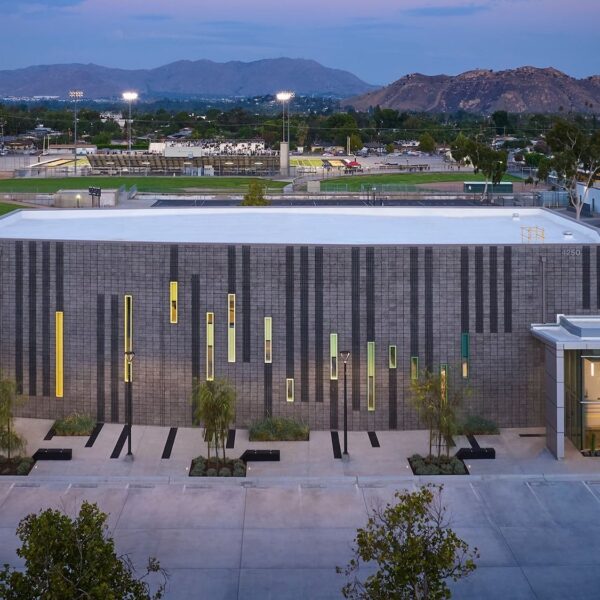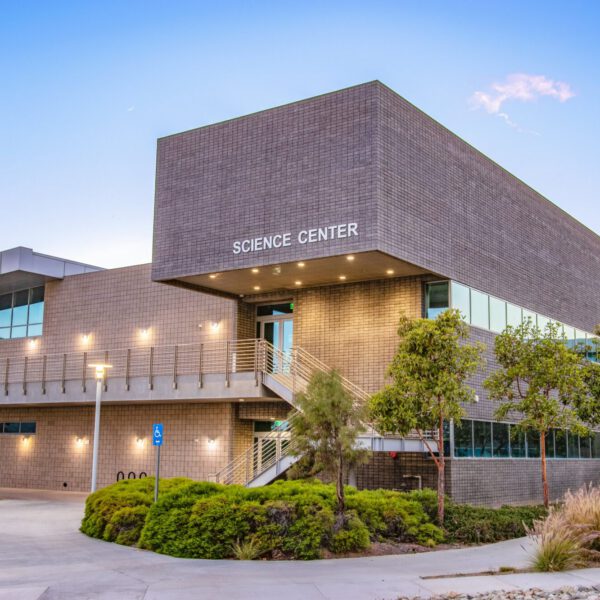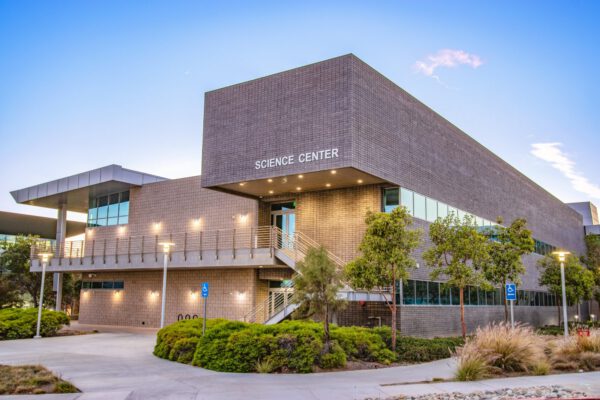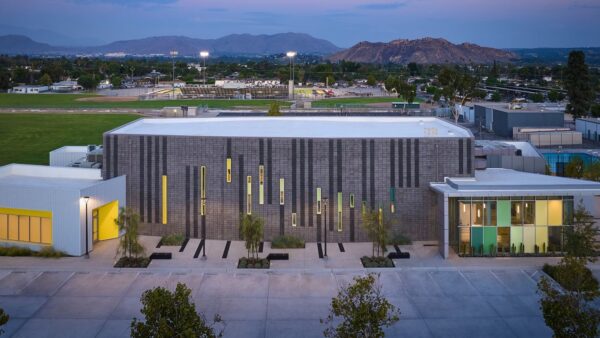
In sustainable construction, resilience is the measure of how well a building can endure and recover from adverse events. In Southern California, where wildfire seasons are intensifying and seismic activity is a constant threat, material selection is more than a design choice—it’s a safeguard for life safety, operational continuity, and long-term value.
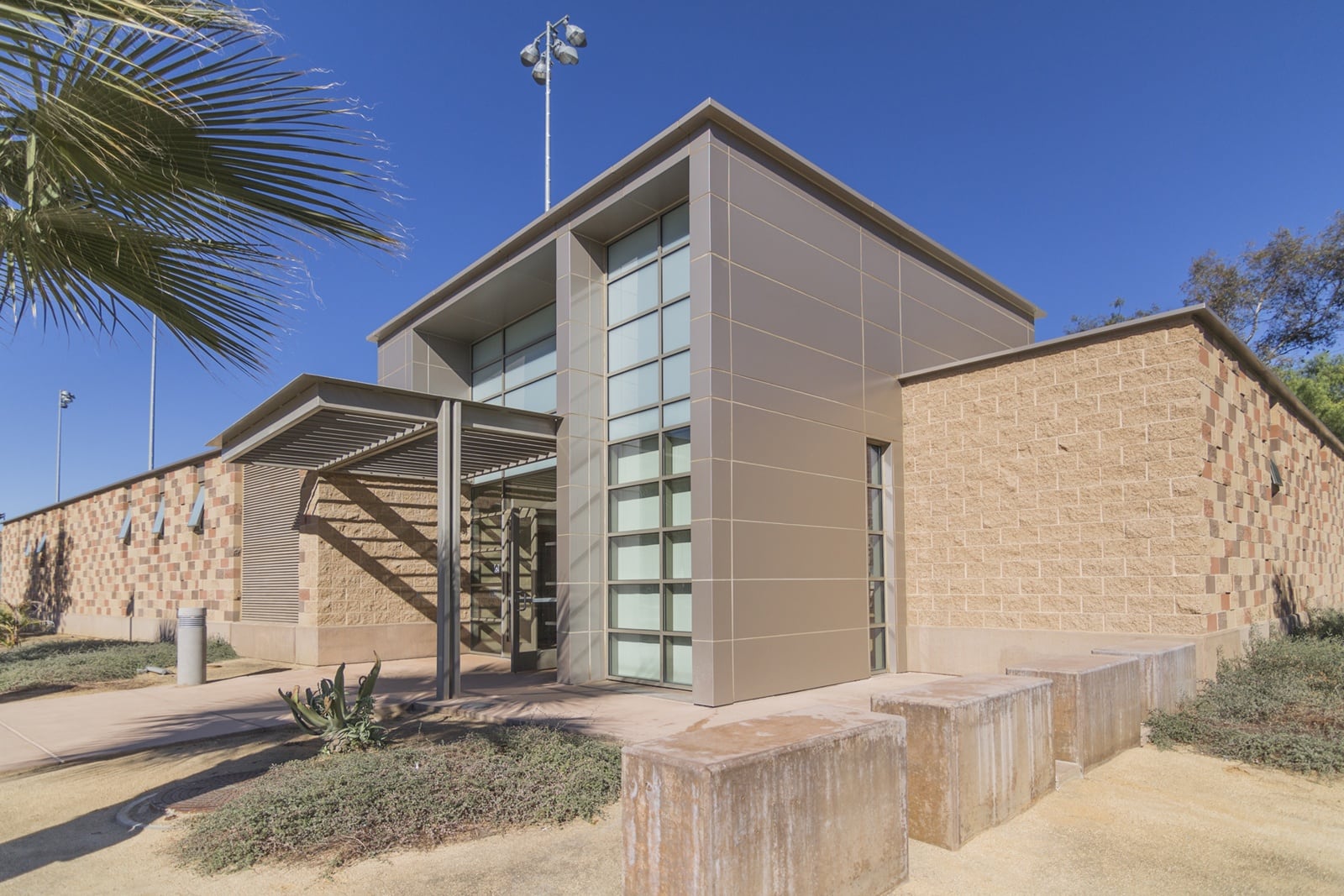
Concrete masonry units (CMU) deliver this resilience with unmatched fire resistance, structural stability, and durability. Manufactured regionally with locally sourced aggregates, CMU offers longevity that reduces replacement cycles, lowers lifecycle costs, and supports environmental responsibility. ORCO Block & Hardscape, as a leading Southern California manufacturer of CMU, concrete pavers, and segmental retaining walls, supplies building materials designed to meet these challenges.
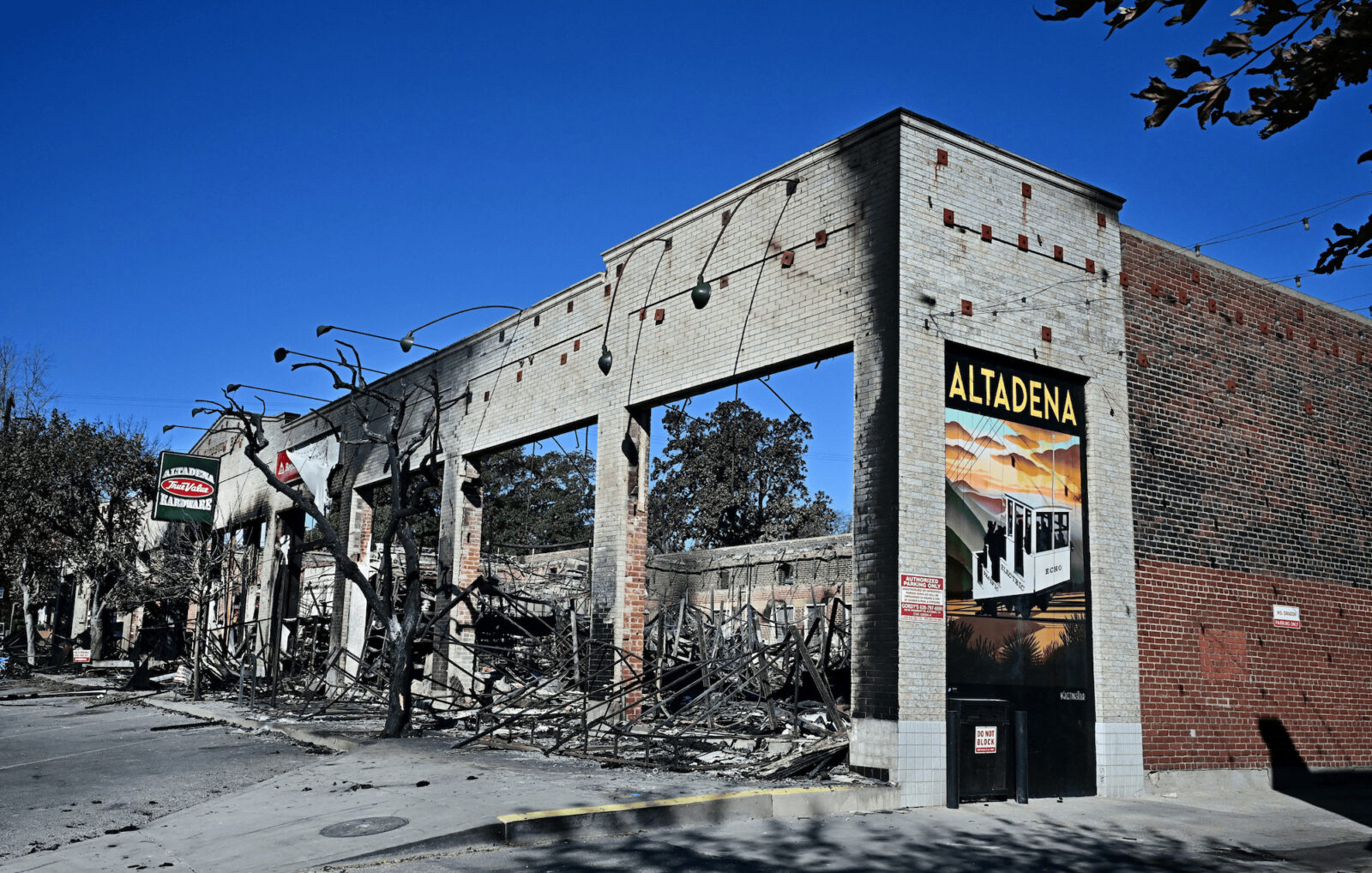
Fire Resistance: Passive Protection for Safer Structures
Concrete masonry is inherently non-combustible—it will not contribute fuel to a fire and retains structural capacity under extreme heat. In wildfire and building fire scenarios, CMU walls can slow flame spread, contain heat, and preserve structural integrity long enough for evacuation and firefighting efforts.
In many post-fire assessments—whether of schools, emergency facilities, or neighborhoods—masonry walls remain standing when other assemblies have failed. CMU property walls can also function as effective fire breaks, helping to protect adjacent structures.
Performance benchmarks:
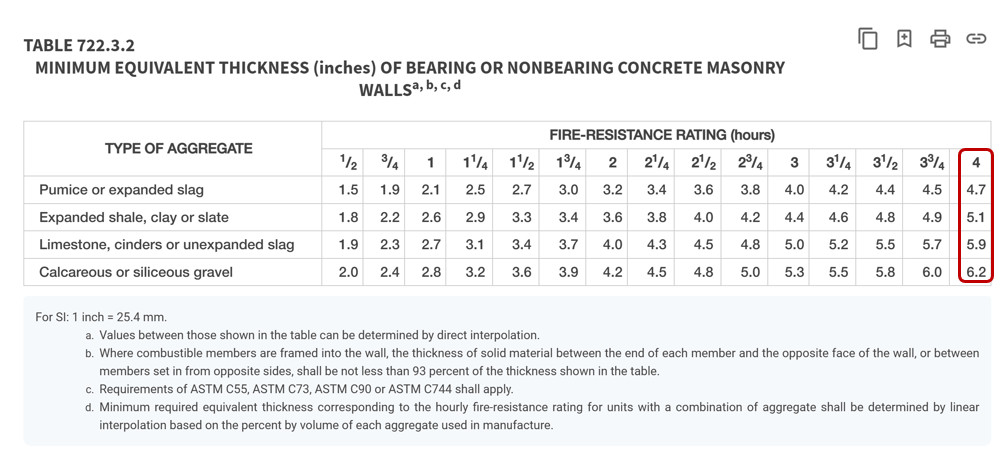
- California Building Code Table 721.1(2): Fully grouted CMU walls with an equivalent thickness of 7.625 inches meet or exceed a 4-hour fire rating for all density classifications.
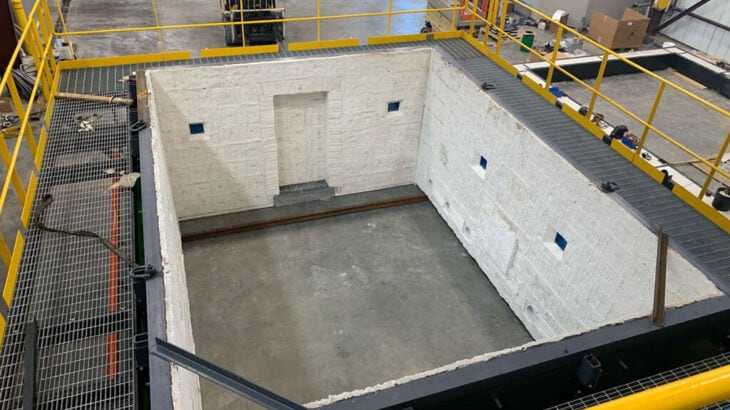
- ASTM E119: While not used in California for code compliance, this test demonstrates CMU’s superior endurance under simulated fire conditions. Unlike many materials tested with multiple specimens, CMU often passes using the same wall section through high-heat exposure followed by high-pressure water spray—illustrating its ability to withstand more rigorous testing than many alternative assemblies.
Earthquake Resilience: Structural Stability in Seismic Zones
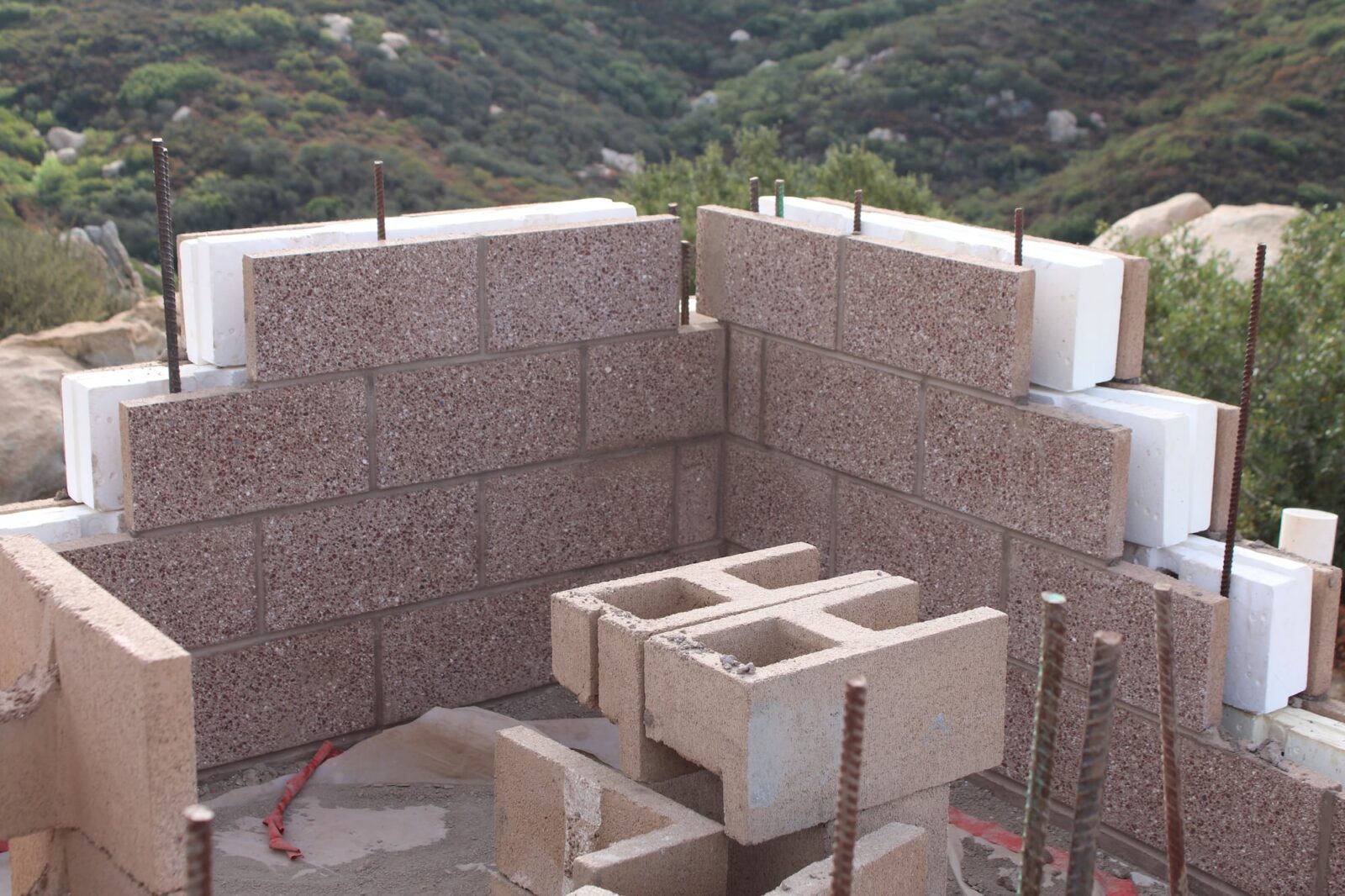
Southern California’s seismic design provisions demand materials that resist both in-plane and out-of-plane forces without catastrophic collapse. Properly engineered and reinforced CMU construction meets these requirements, helping structures maintain integrity and safety even during major seismic events.
The mass and reinforcement capacity of CMU, combined with its modularity, allow for efficient energy dissipation during shaking. Post-earthquake inspections frequently reveal CMU buildings that require only localized repairs instead of full reconstruction—minimizing downtime, reducing rebuild costs, and keeping communities functional.
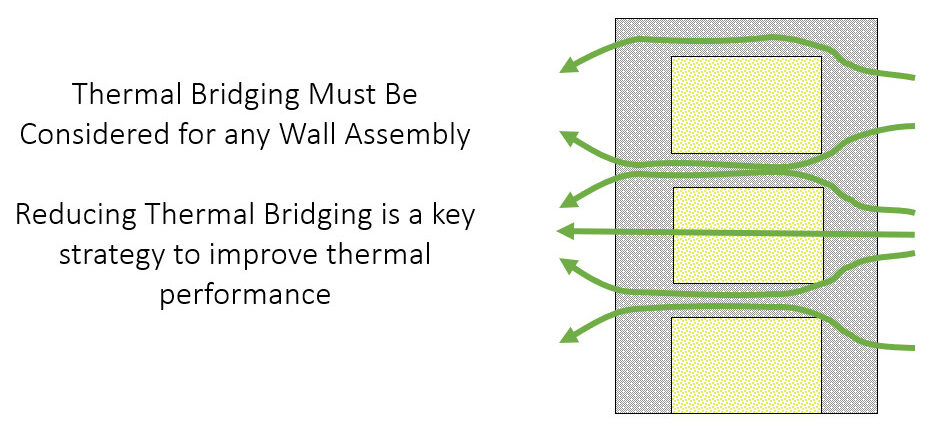
Understanding energy transfer through a wall
Additional Resilience Benefits of CMU
- Inorganic & Weather-Resistant: Will not rot, warp, or provide a food source for mold.
- Thermal Mass: Slows heat transfer, stabilizing indoor temperatures and reducing HVAC loads—critical during heatwaves or power outages.
- Acoustic Performance: An 8-inch medium-weight, fully grouted CMU wall achieves an STC rating of 57 for sound isolation.
- Recyclability: End-of-life CMU can be repurposed as road base or recycled into new masonry products.
Why Stakeholders Choose CMU in Southern California
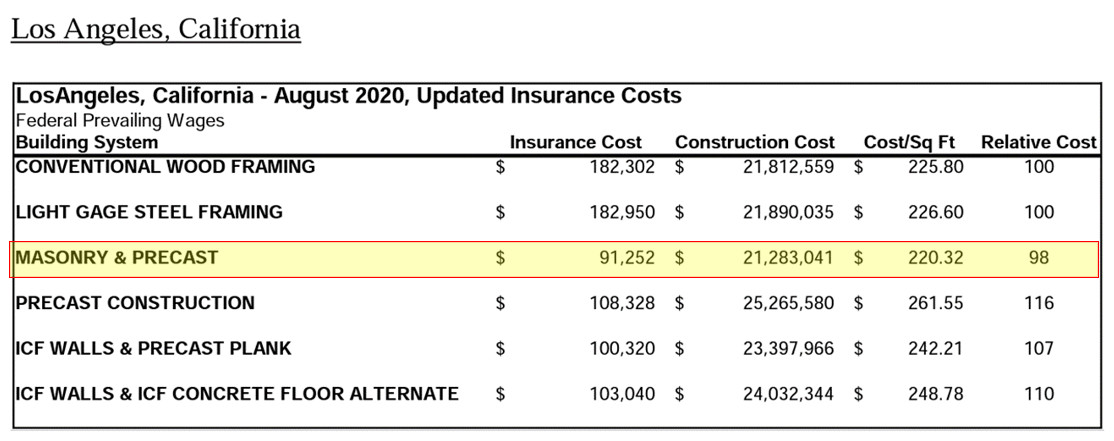
For architects, CMU offers design flexibility with performance certainty. For engineers, it meets stringent fire and seismic standards. For owners and developers, it reduces long-term operational risk, potential insurance costs, and the need for costly rebuilds.
By specifying CMU from ORCO Block & Hardscape, project teams gain a locally manufactured, code-compliant, and performance-proven building solution designed for the hazards unique to Southern California.
References:
- California Building Code, Table 721.1(2)
- ASTM E119, Standard Test Methods for Fire Tests of Building Construction and Materials (demonstration purposes only)
- Concrete Masonry & Hardscape Association (CMHA), formerly NCMA